
What is an MoU in plain terms?
When two entities meet and see a chance to work together, they do not sign a detailed contract on day one. They start with an MoU that says, in effect: we agree to cooperate in these areas and will work out the details together. It is an organised, written statement of intent naming the parties, the areas, the duration and how follow-up will happen.
The legal weight of an MoU depends on its wording and the applicable regulations, which is the business of both entities' legal departments. The event organiser's role starts once the text is approved: preparing the moment of signing.
How does an MoU differ from an agreement?
Broadly, an agreement or contract sets out obligations, rights and timelines, while an MoU sets out the framework and intent. That is why MoUs are signed so often at investment forums and bilateral business forums: they turn the dialogue in the sessions into a formal, announced step, followed later by implementation agreements.
- MoU: framework, intent and areas of cooperation.
- Agreement: defined obligations and responsibilities.
- Contract: detailed commitment with consideration, schedule and specifications.
How is an MoU signing prepared at an event?
The signing is short, but it is photographed and published, so it needs a separate stage or a dressed signing table, both parties' flags when an international delegation attends, two bound copies ready, matching pens, signatories and witnesses arranged by order of precedence, and a backdrop in the event identity.
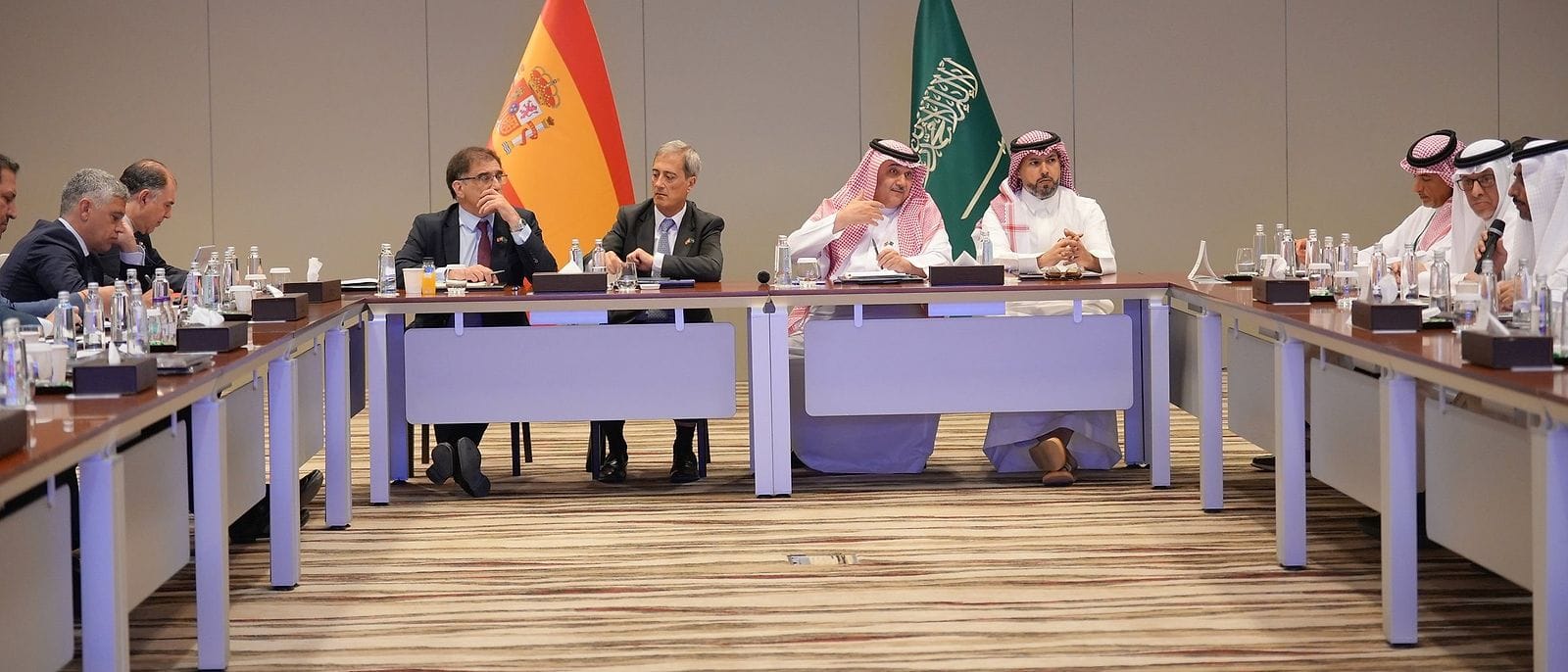
At the Saudi-Spanish Business Forum, memoranda of understanding were signed on stage after the sector roundtables, and at the Saudi-Japan Investment Forum the signing ceremonies were part of an official ministerial-level platform. In Riyadh in particular, diplomatic protocol calls for both flags, a careful seating order and a separate signing stage. The step-by-step detail is in the signing ceremony checklist, and for the media shot see our article on MoU signing ceremonies.
What are the common mistakes when MoUs are signed at events?
- Final copies reaching the stage late or unbound.
- Several signings piled up back to back with no order, so the programme drags and the media lose focus.
- Flags or names in the wrong position in photos with international delegations.
- No photographer at the right angle when the copies are exchanged.
What does an MoU usually contain?
Wording varies between entities, but most memoranda share similar elements that an event organiser should know, so the team understands what is being signed on its stage:
- Parties: the official names of the entities and the representatives authorised to sign.
- Purpose and areas of cooperation: a general description of what the parties want to work on together.
- Implementation and follow-up: working groups, regular meetings or later implementation agreements.
- Term, renewal and termination: when the MoU takes effect and how it is renewed or ended.
- Language and copies: how many copies and in which languages, an important detail at bilateral forums.
That last point matters directly to the organiser, because it sets the number of bound copies on the signing table, their order in front of each signatory, and who exchanges them with whom in front of the cameras.

 Scan to chat on WhatsApp