
What makes a bilateral forum different from a regional forum?
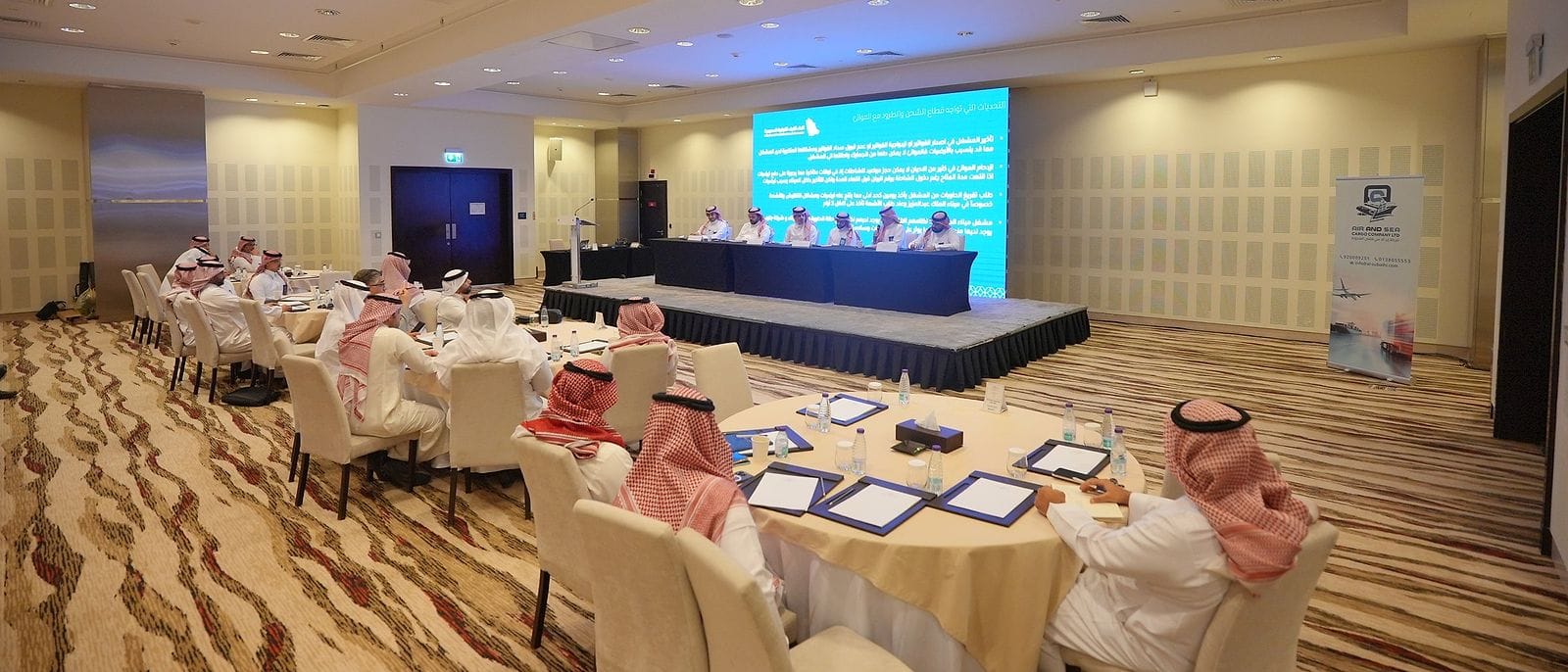
A regional forum presents one region's opportunities to a broad audience; a bilateral forum revolves around the relationship between two countries. That changes every planning priority: flags and formal order become part of the message, sector dialogue matters more than general presentations, and the signing moment is the picture both countries' media are waiting for.
The audience is also bilingual and bicultural. The visiting delegation needs a clear programme, comfortable arrival routes and interpretation where required, while the Saudi side needs the forum to look worthy of the relationship between the two countries.
How do the two examples compare in type and scope?
The table summarises both projects as they appear in Kunoze's data, with the main scope items of each.
| Event | Type | City | Year | Main scope |
|---|---|---|---|---|
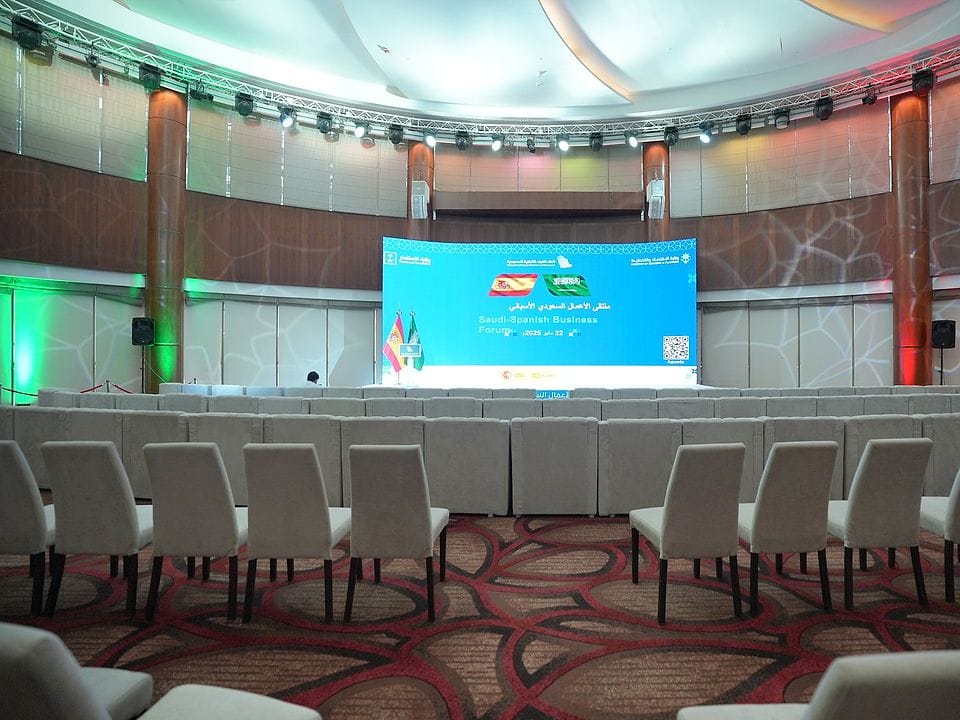
| Saudi-Spanish Business Forum | International business forum | Riyadh | 2025 | Round hall and stage, podium and both flags, sector roundtables, MoU signing stage, audio and screens, hospitality |
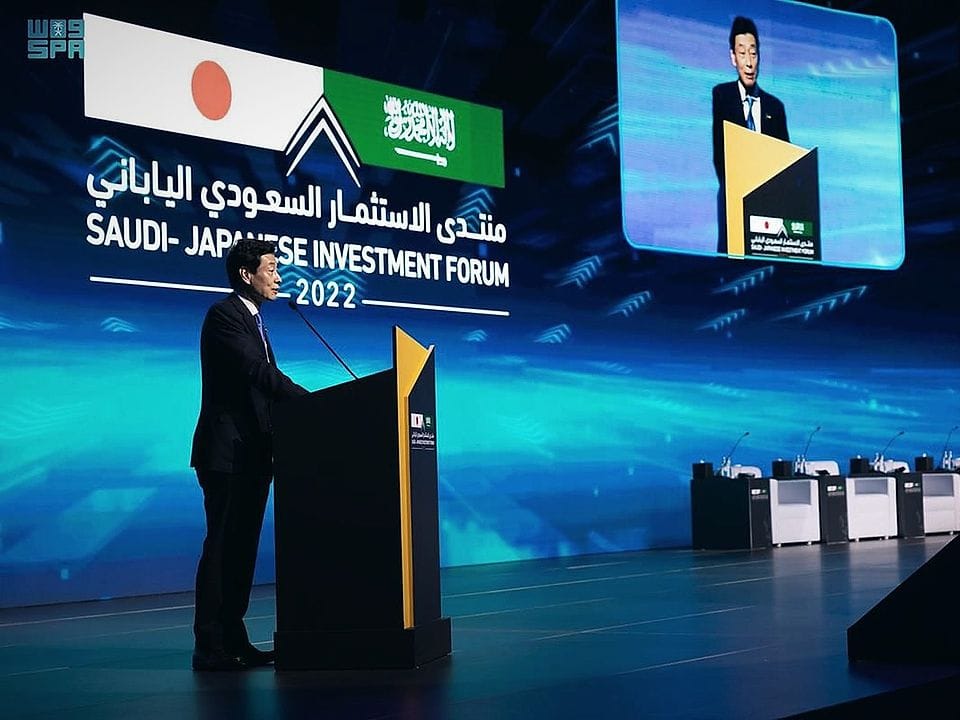
| Saudi-Japan Investment Forum | Ministerial forum | Riyadh | 2022 | Main stage and screens, panel sessions, signing ceremonies and protocol, delegation reception |
What did Kunoze deliver at the Saudi-Spanish Business Forum?
At the Saudi-Spanish Business Forum we brought business leaders and entities from the Kingdom and Spain together in a round hall fitted with a stage and an official podium with both countries' flags. After the formal opening the programme moved to sector roundtables, then to MoU signings on stage, supported by audio, screens and full hospitality.
A round hall is a meaningful choice for this format: it brings the parties closer and serves the roundtables, while the stage remains the focal point for the opening and the signings. Keeping the signing stage separate from the speaking podium is a note we repeat on our Riyadh page for any diplomatic event.
How was the ministerial-level Saudi-Japan forum run?
The Saudi-Japan Investment Forum was an official platform for ministerial delegations and business leaders from both countries, with a main stage, panel sessions and agreement-signing ceremonies. Kunoze's scope covered the stage and screens, the sessions, the signing ceremonies and protocol, and delegation reception.
Ministerial level doubles the weight of every detail: the order of precedence in seating and speeches, the timing of delegation arrivals, and the placement of flags on the stage and the signing table. This kind of event succeeds when the ceremony runs without anyone noticing the organisation, which takes a full rehearsal and close coordination with the host entity's protocol office.
Why is the signing the most important image of a bilateral forum?
Because it is the picture the media of both countries carry, and the visible proof that the forum produced something. So we treat the signing stage as its own scene: a table with both flags, a backdrop in the event identity, lighting aimed for photography, a defined position for photographers, and a clear order for who signs and who stands behind.
We go through these details in our article on MoU signing ceremonies, and collect them in the downloadable MoU signing checklist.
What role do sector roundtables play?
Speeches open the door, but relationships are built at tables. Seating guests by sector brings people with shared interests from both countries into a short, focused conversation, what modern events call business matchmaking. At the Saudi-Spanish forum the sector roundtables were a core part of the programme, not something squeezed into a coffee break.
For organisers who want to go further, the Kunoze conference platform can run B2B meetings with requests, acceptances, time slots and assigned tables.
How should the visiting delegation's journey be planned?
A visiting delegation sees the forum from a different angle from the host. Its impression begins at the entrance: is someone there to greet them by name, do they know where to sit, is the programme written in a language they read? So we treat the delegation's journey as its own track in the plan: reception and registration, seating in the approved order, the move to the roundtables, the signing stage, then hospitality and departure.
At each stop the delegation needs a coordinator who knows the programme, clear signage in both languages, and enough time to move without rushing. In Riyadh a roads and parking plan is added, because peak-hour traffic can delay a whole delegation for the opening. These small details are what a delegation takes home as a picture of how events are run in the Kingdom, and they matter to the forum's success as much as the signing.
What can an embassy or chamber take into its next forum?
- Design the room for dialogue: a hall that brings the parties together, with a stage that stays the focus for opening and signing.
- Separate the signing stage: the speaking podium is one thing; the signing table is its own scene with flags and lighting.
- Agree precedence early: with the host's protocol office and the visiting side, before any card is printed.
- Plan delegation arrivals: Riyadh peak-hour traffic needs an arrival plan with dedicated parking.
- Make roundtables part of the programme: with fixed time and a facilitator per table.
- Take hospitality seriously: it shapes the impression the delegation takes home.

 Scan to chat on WhatsApp