
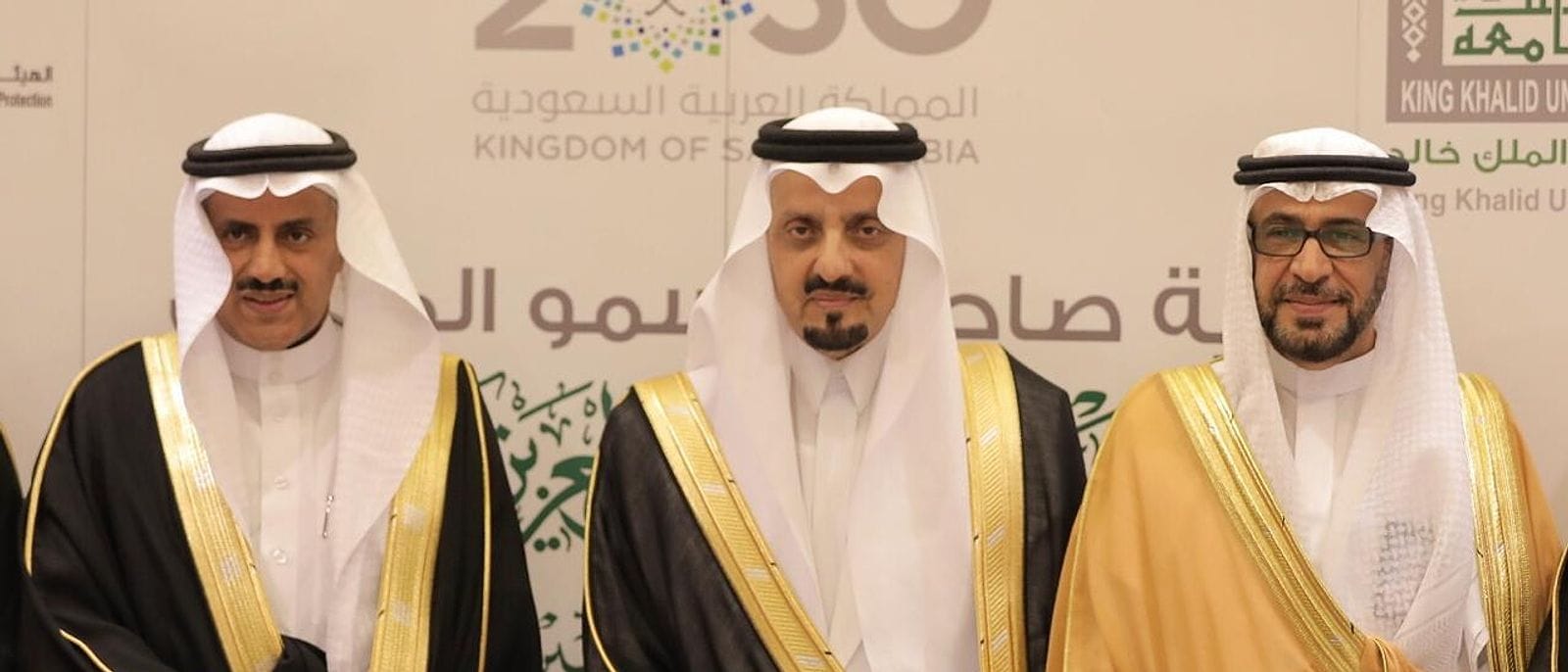
Protocol at an official event is the written order of everything senior guests go through: the reception, the tour, the stage and speeches, the honours segment, the group photo and departure. It is judged by what does not happen: no waiting at the door, no confusion over stage order, no shield missing a name. It is always built under the supervision of the host entity's protocol office.
What does protocol mean at an official event?
Protocol is a set of rules that decides who goes first, who sits where and who speaks when. Its foundation is the order of precedence: ranking guests by their positions and official capacities. That ranking shows in every detail, from the front-row seats to the order in which honourees go up to the stage. A mistake is not just an organisational slip; it can be read as an unintended message to a guest or to their entity.
So an organiser neither improvises the order nor decides it alone. The organiser's job is to turn the protocol office's order into precise execution on the ground: correct name cards, clear routes and a team that knows what to do at every minute. That is how Kunoze works at every official event it delivers.
Who decides the order of guests, and who carries it out?
The host entity and its protocol office decide; the organising team executes. The split protects everyone: the entity knows its guests, its relationships and what suits each occasion, while the organiser knows the hall, the routes and the timing. The table shows the division of roles we work to:
| Role | Responsible | Example tasks |
|---|---|---|
| Setting precedence and the senior guest list | The entity's protocol office | Speech order, front-row seating, who is honoured |
| Writing the script and preparing the venue | The organising team | Routes, name cards, stage layout, lighting |
| Reception and escort | The reception team | Greeting at the entrance, escorting each guest to their seat |
| Documentation | Photographer and videographer | Shots of the tour, speeches, honours and group photo |
What is prepared before the event?
- Confirm the senior guest list and their order of precedence with the entity's protocol office, and keep it updated to the last day.
- A written script: who receives at the door, who escorts, where the cars stop, and the route from the entrance to the stage.
- A named seating plan for the first and second rows, with spare seats.
- A walk-through of the route the day before, done by the reception team exactly as the guest will walk it.
- A contact list for the offices of senior guests, to confirm arrival times.
You can start from the VIP reception scenario template and adapt it to your event.
How is the reception at the entrance handled?
The reception is the first minute of the event, and it shapes the guest's view of everything that follows. The senior guests' entrance is separate from the public one and never passes the registration queue, and a host from the entity at the appropriate level waits at the door before the arrival time. The reception team wears a uniform in the event's identity, and each member knows the name of the guest they will escort and the route they will take.
A guest is never left without an escort between the entrance and their seat or the start of the tour. If a guest arrives early or the programme runs late, a quiet lounge near the stage is used for waiting rather than standing in corridors.
How is the senior guests' exhibition tour run?
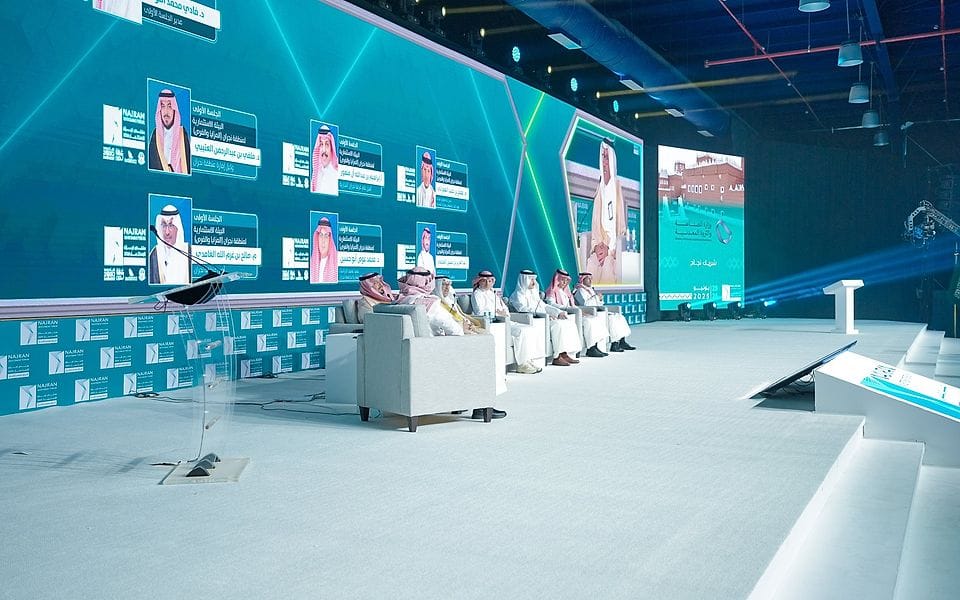
The opening tour of the exhibition needs a host on each booth who explains in two sentences, a photographer two steps ahead of the guest, and a route free of obstacles and cables. The length of the tour is agreed in advance and kept, and the booths where the guest will stop are chosen before the day. At the Najran Investment Forum 2025, the opening tour of the entities' and ministries' exhibition was part of the protocol scope itself, because it is the first thing the guest sees and the first thing that gets photographed.
The common mistake is letting the tour turn into long presentations at every booth, which delays the opening. The fix is two sentences per booth, a model or screen to explain the rest, and an escort who manages the time politely.
How are the stage, speeches and flags arranged?
- Speeches in protocol order, each with an agreed length that the speaker knows in advance.
- A podium at a height and with lighting suited to photography, with the entity's logo in the frame.
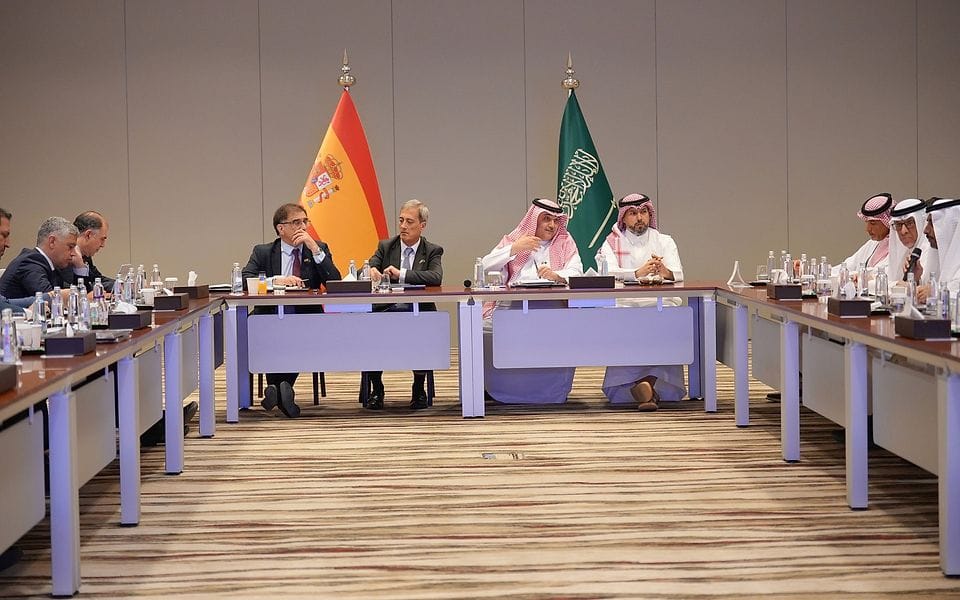
- At bilateral forums: both countries' flags in the correct order on the stage and at the signing table.
- A master of ceremonies who pronounces names and titles correctly and holds a copy of the final order.
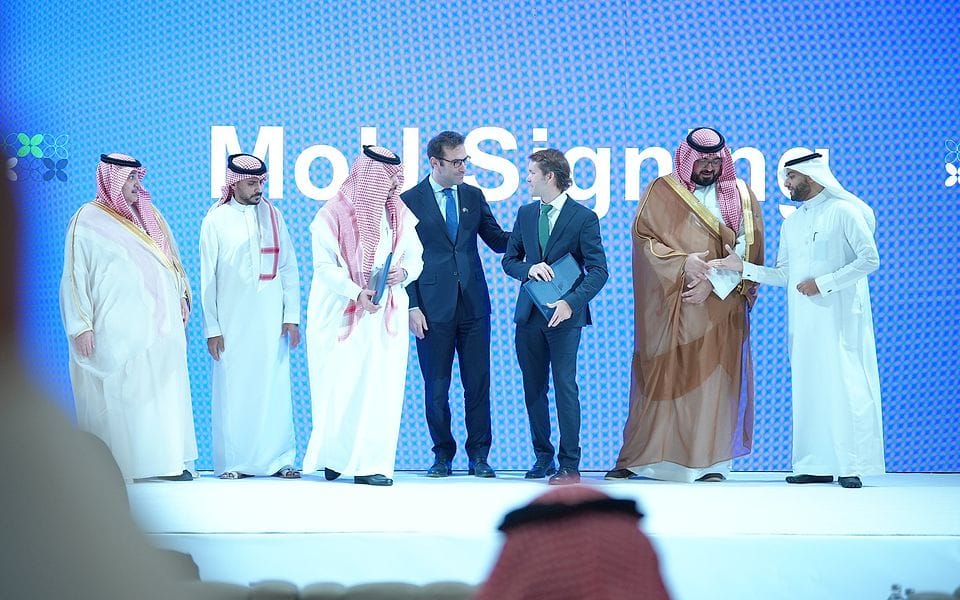
MoU signing ceremonies covers the order of flags, signatories and witnesses at the moment of signing.
How is the honours segment run without errors?
This is the moment that gets photographed and published. Shields are arranged in calling order, names are engraved without errors, the person carrying each shield stands on the correct side, and the photographer is in position before the first name. Shields made in Kunoze's factories arrive with a list that matches the stage order, so nobody is hunting for a shield on stage. Examples of honours segments shows how this was run at our forums.
Go through the honourees list with the protocol office one last time on the morning of the event, and keep two spare unnamed shields for any last-minute addition.
How is the group photo arranged?
The group photo is never left to the last minute. Its location is fixed in advance with a designed backdrop, the standing order is written according to precedence, and a tiered riser is used for larger groups so every face is visible. At the Northern Borders Investment Forum, group photos and protocol were a separate line in the scope, because the group photo is what every partner publishes after the forum.
Which protocol mistakes keep recurring at events?
Most mistakes do not come from ignorance of the rules but from last-minute changes that never reached the whole team:
- A name card on the seat of a guest who sent apologies, and no seat for a guest added that morning.
- A change in speech order that never reached the master of ceremonies or the control room, so the screen shows the wrong speaker.
- A shield carrying an outdated title because the list was approved before a change of position.
- A guest arriving through the public entrance because their driver was never told about the dedicated one.
The remedy is one approved version of the order, updated by one person and sent to the reception, the stage and the control room at the same moment.
What happens at departure?
Departure is as much a part of protocol as the reception. Guests are escorted to their car, the car is waiting at the entrance before the guest walks out, and the guest's gift is ready in its box before the final segment, not after it. A delay in these last minutes can undo the effect of a whole day of careful organisation. That is why the reception team stays at its posts until the last senior guest has left, and no dismantling or moving of equipment starts in the corridors before then.
Quick review list: an approved senior guest list, a written script, a named seating plan, a walk-through of the route, shields arranged with a matching list, a fixed spot for the group photo, and gifts ready before the close. The Kunoze team has received Their Highnesses and Excellencies at official events in several regions, so book a free consultation to review your event's script with us.

 Scan to chat on WhatsApp