
What sets each format apart, in one sentence?
The name is not a matter of wording. It sets the programme, the room, the audience and the protocol. Pick the wrong one and the problem starts with the invitation: guests expecting technical sessions find general panels, or investors expecting opportunities sit through lectures.
- Conference: the goal is knowledge transfer. It centres on speakers and papers, for a specialist audience in one field.
- Forum: the goal is dialogue and networking. It centres on panel sessions and an opportunities exhibition, for a mixed audience from government and business.
- Summit: the goal is a decision. It centres on closed meetings and a closing statement, for a small group with authority.
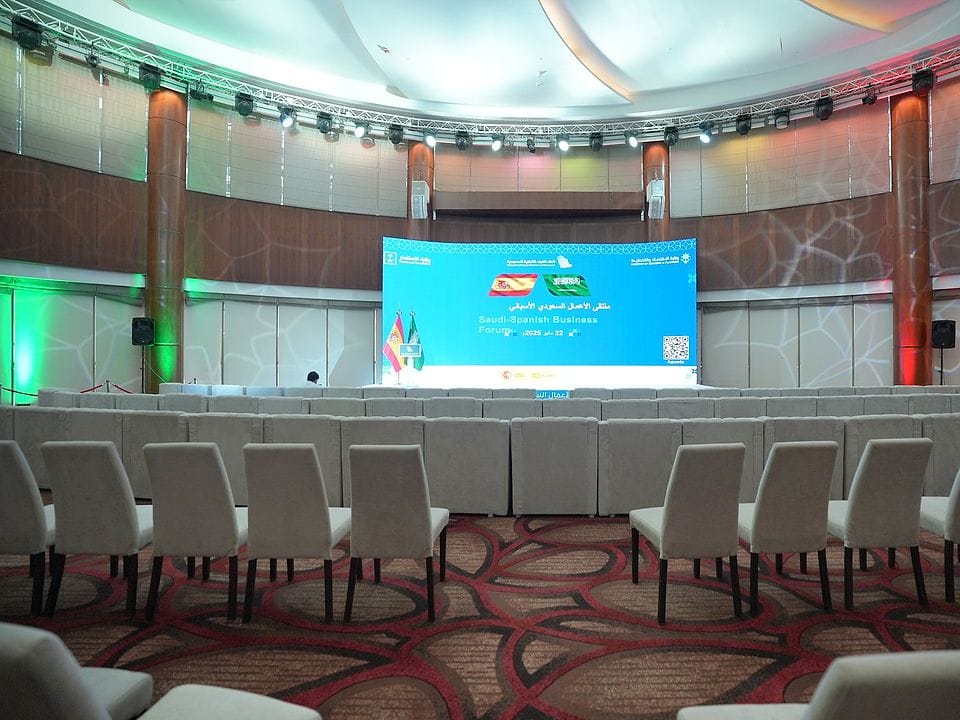
In Saudi usage there is also the multaqa, usually translated as business forum: lighter in formality than a conference and close to a forum in spirit, like the Saudi-Spanish Business Forum.
How do the three formats differ in programme, room and audience?
The table sums up the practical differences that shape planning and production. Read it against the goal of your event, not against the name that sounds most prestigious.
| Criterion | Conference | Forum | Summit |
|---|---|---|---|
| Primary goal | Share knowledge and expertise | Dialogue, opportunities, relationships | Take a decision or announce a joint position |
| Audience | Specialists in one field | Government leaders, investors, private sector | A small group of decision-makers |
| Programme core | Keynotes, papers, workshops | Panels, exhibition, B2B meetings | Closed meetings and an announcement |
| Room set-up | Theatre rows and presentation screens | Main stage plus an exhibition beside the hall | Meeting table and an announcement hall |
| Protocol | Official opening, speaker honours | Opening, exhibition tour, agreement signings | Formal reception, strict order of precedence |
| Expected output | Recommendations and published papers | Agreements, leads and relationships | A closing statement or agreement |
| Production scale | Medium, focused on sound and screens | Large: stage, exhibition, models, branding | Small in footprint, very high in precision |
When should you choose a conference?
Choose a conference when your entity has specialist content worth presenting and debating: a new standard, professional practice or study results. A conference succeeds on the quality of its speakers, discipline on stage and clear presentations on screen.
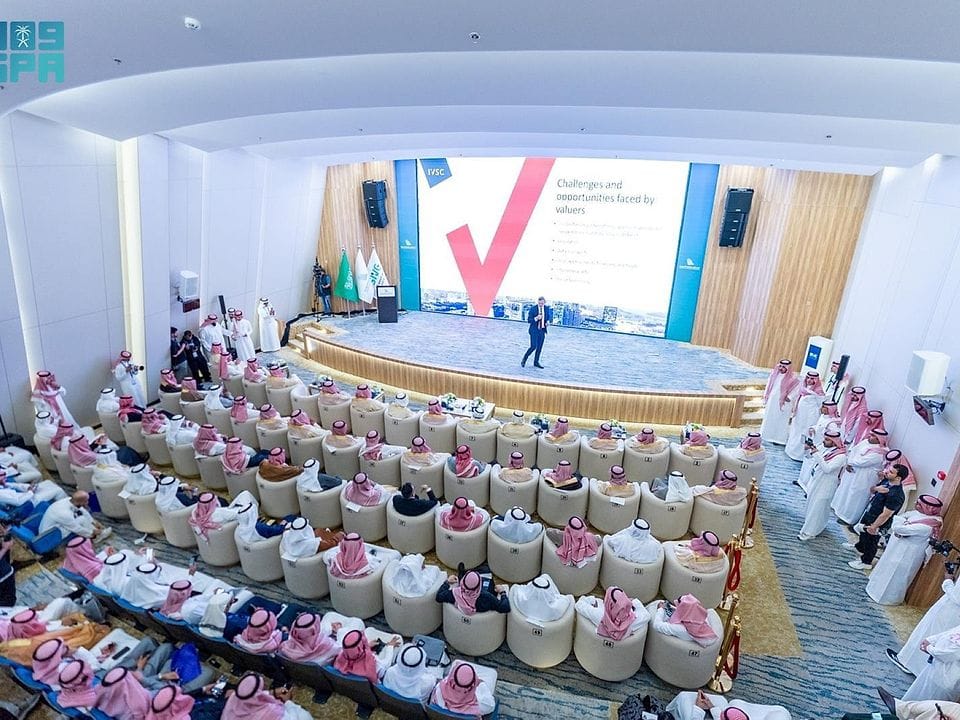
The Saudi International Valuation Conference is a clear case: a multi-session international conference that brought valuation professionals, government bodies and international organisations together, run by Kunoze from digital registration to the honours. In this format, preparing and scheduling working papers is the backbone, and the programme needs a precise run of show that protects each speaker's time.
When is a forum the right choice?
A forum fits when the entity wants to present opportunities and bring together parties who rarely meet. That is why regional investment forums have become the standard format for regional emirates and investment bodies across the regions.
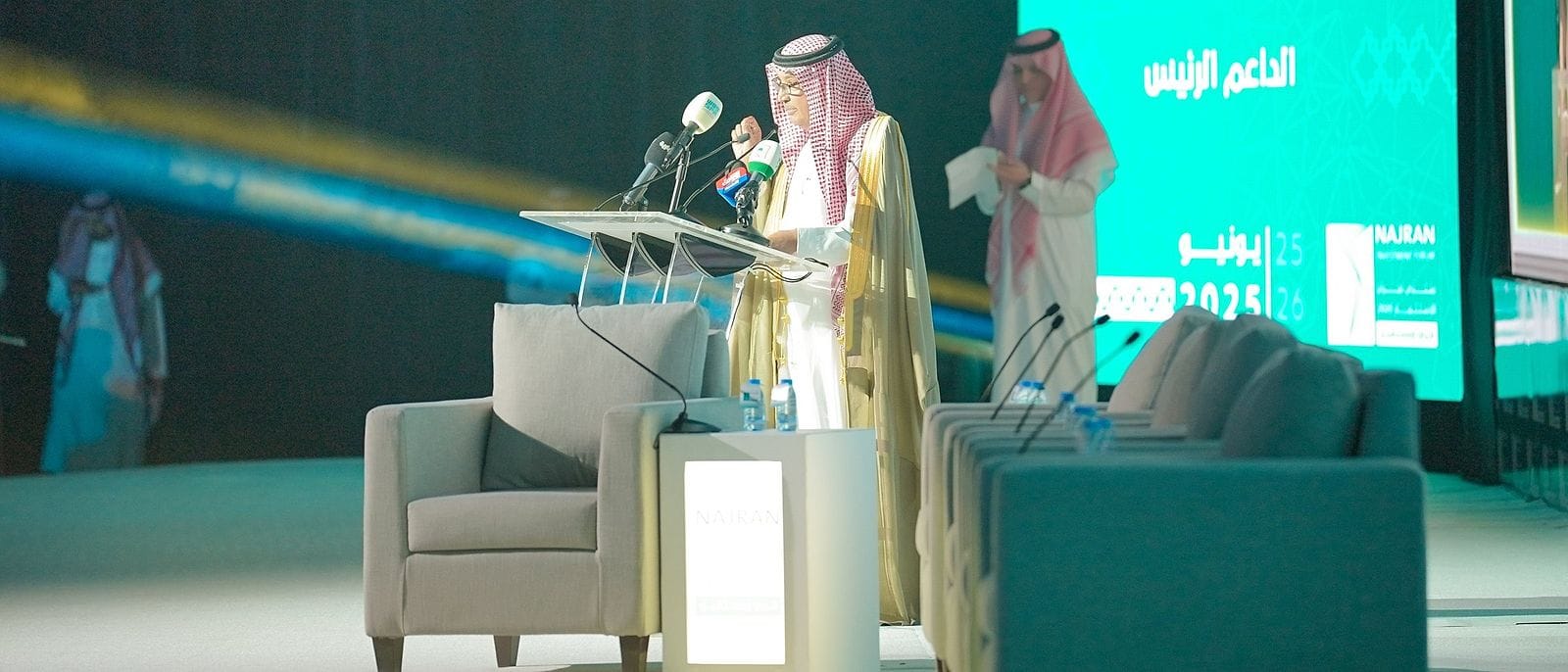
At the Hafar Al-Batin, Najran and Aseer investment forums the programme moved between three spaces: the main stage for panel sessions, the entities' exhibition with scale models that brings projects closer to investors, and the honours segment at the close. That link between stage and exhibition is what separates a forum from a conference, and why it needs larger production and one team holding the parts together. For the planning detail, see our investment forum planning guide.
What does a summit need that the others do not?
A summit is smaller and more sensitive. Few people attend, but every detail is formal: order of precedence, arrival timing, flag placement and the wording of the statement. A large exhibition or a crowded programme does not suit it; an experienced protocol team working under the host entity's protocol office does.
If your event gathers official delegations to sign agreements, the closer fit is usually a bilateral business forum with a signing session, as at the ministerial-level Saudi-Japan Investment Forum, rather than a summit in the strict sense. Calling an open event a summit raises expectations for no reason.
Can one event combine more than one format?
Yes, and it is common. An investment forum may open with a conference-style morning, move to panels in the afternoon and close with MoU signings. The Saudi-Spanish Business Forum combined an official opening with both countries' flags, sector roundtables and a stage for signing memoranda of understanding.
The rule is that the dominant format should be clear in the name and the invitation, and the room and programme should be divided by part. Combining without a plan produces a long day where the audience loses focus before the moment that matters most.
What is Kunoze's verdict for each use case?
- A scientific or professional body discussing a standard or practice: a conference with specialist sessions and papers.
- A regional emirate or investment body presenting the region's opportunities: an investment forum with a stage, a models exhibition and an honours segment.
- A chamber or embassy bringing two countries' business communities together: a business forum with roundtables and a signing stage.
- A closed meeting of decision-makers ending in a statement: a summit with precise protocol, a meeting room and an announcement hall.
- A public community event: none of the three; a government open day or community event fits better.
How do production and cost change between formats?
We do not publish figures because every event is different, but the cost drivers are clear. A conference concentrates production on stage, sound, screens and simultaneous interpretation when international speakers attend. A forum adds the exhibition, booths, architectural models and outdoor venue branding, usually the largest production lines. A summit is smaller in area but needs the highest standard of protocol and precise fit-out.
Settling the format early saves the entity a great deal, because booking the wrong hall or building an exhibition the programme does not need is one of the most common sources of waste.

 Scan to chat on WhatsApp