
A successful regional investment forum starts with a goal written in one sentence, then an exhibition that explains opportunities through scale models, a short programme that leaves real time for meetings, a minute-by-minute protocol script and a reverse timeline counted back from the forum date. Every later decision, from the hall to the shields, is tested against one question: does it bring the opportunity closer to the investor?
How is an investment forum different from a conference?
A conference is about knowledge: speakers, working papers and an audience that listens. An investment forum is about decisions: specific opportunities presented to busy investors, government and the private sector at one table, and an outcome measured in agreements, MoUs and follow-up meetings. That shifts the planning priorities. At a conference the stage and speakers take most of the effort; at a forum the stage shares the weight with the exhibition and the meeting areas.
It also changes the opening questions. "How many seats do we need?" is not enough. Ask instead how many opportunities you will present, which entities will present them, and which investors you want in the room. If you have not settled on the format yet, conference, forum or summit sets out the differences.
Where does planning an investment forum start?
Before choosing a hall, write one sentence for your leadership to approve: what do we want to have happened by the end of the day? The answer might be a target number of MoUs, a list of opportunities put in front of named investors, or the launch of a regional strategy. That sentence becomes the test for every later decision, and anything that does not serve it is a candidate for cutting.
Three early decisions follow from the goal sentence:
- Exhibition size: how many entities exhibit, and which projects deserve a scale model.
- Programme shape: one main session or several sector sessions, and how much time goes to bilateral meetings.
- Invitation list: investors, entities and senior guests, and their order of precedence.
Once those are settled, the hall almost chooses itself: a main hall that fits the audience, with exhibition space right beside it on the route of the opening tour.
Why is the exhibition half the forum?
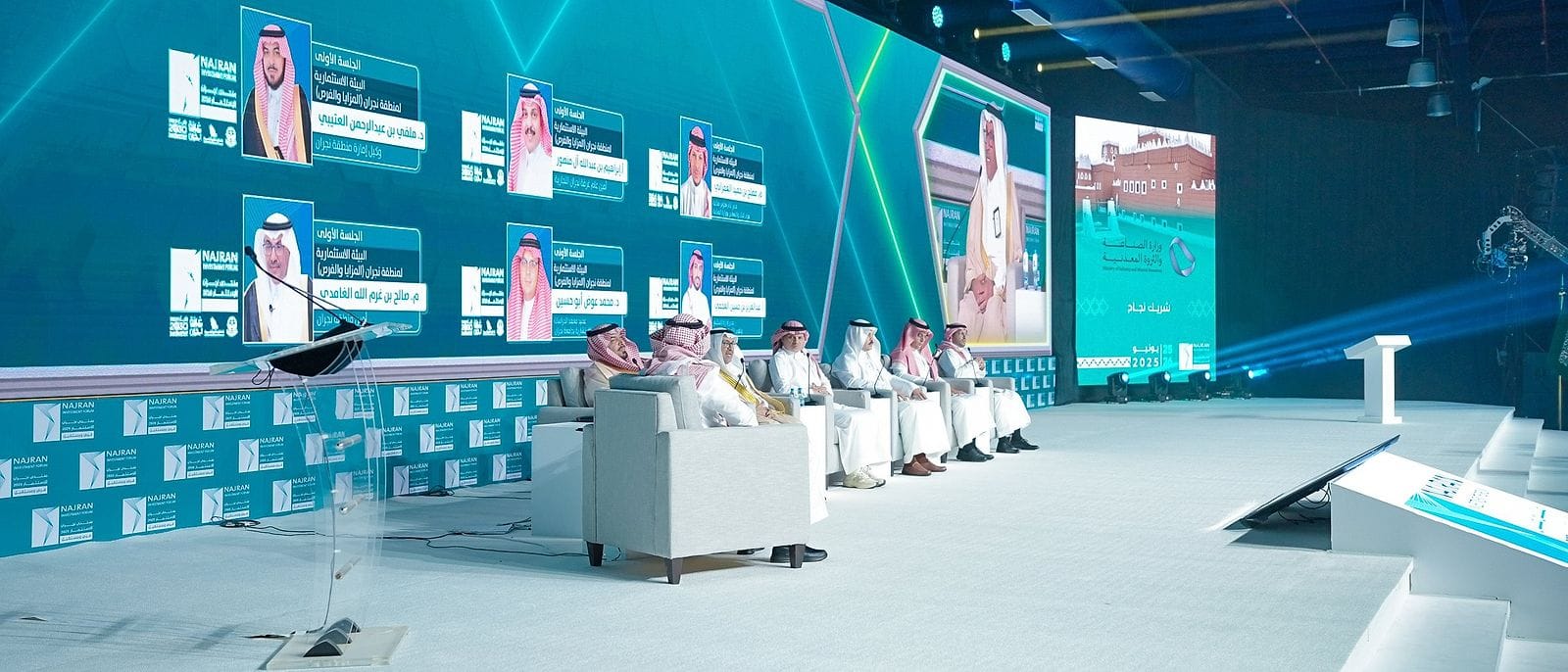
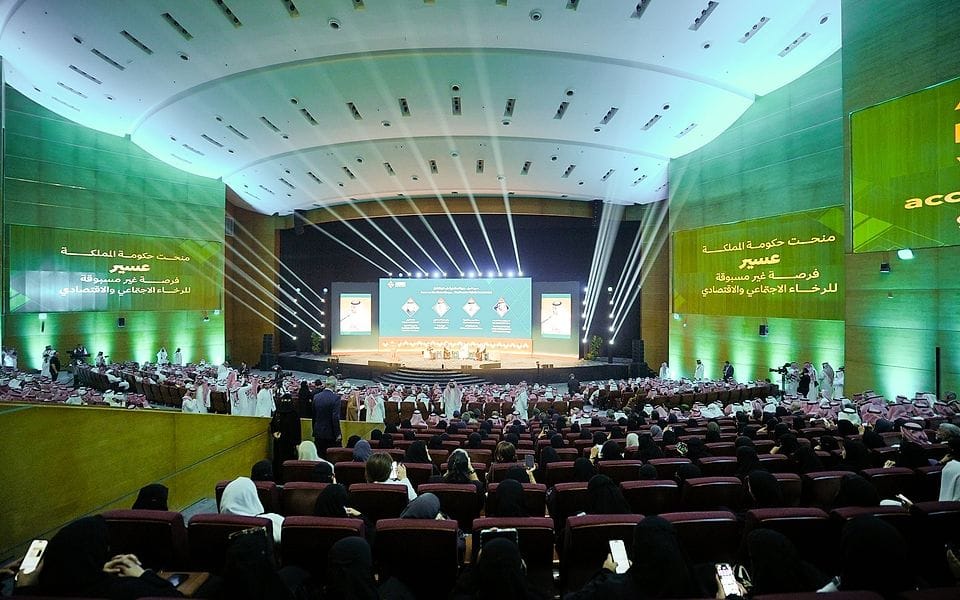
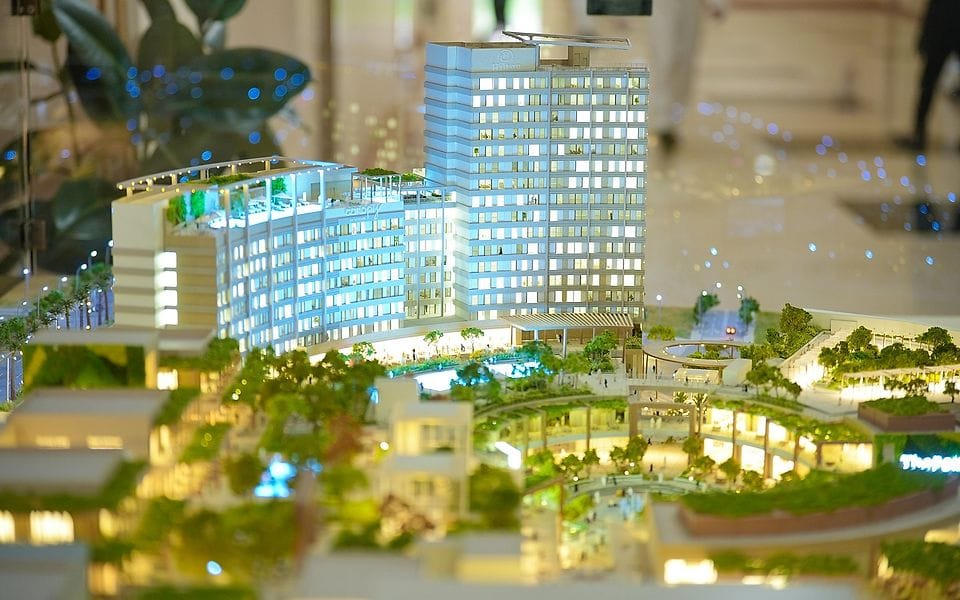
At the forums Kunoze has delivered, the exhibition was the first thing senior guests saw. The Najran Investment Forum 2025 opened with a tour of the entities' and ministries' exhibition before guests entered the grand hall. At the Hafar Al-Batin Investment Forum 2025, the tour of the exhibition and its scale models came before the panel sessions. At the second edition of the Aseer Investment Forum, an exhibition of architectural models received delegations and visitors throughout the event.
The reason is simple. A model explains an opportunity in seconds; investors stop, look and ask questions, while a slide deck is forgotten a few slides in. So plan the exhibition as a product in its own right, with a layout, a booth identity for each entity, a model of the flagship project and a host on every booth who can give the entity's message in two sentences. Give each entity one flagship project for the large model and leave the rest to the screens.
How do you build a programme that respects the investor's time?
Investors come to meet decision-makers, not to sit through back-to-back speeches. The programme we recommend has four parts:
- A short official opening followed by the exhibition tour.
- One main session presenting the region's vision, then sector sessions sized to the hall.
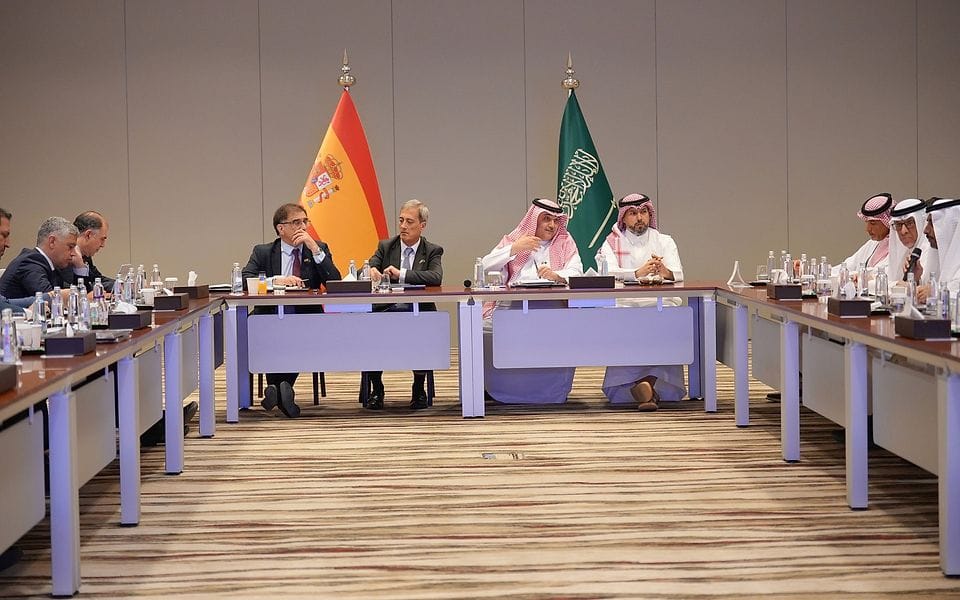
- Real time for bilateral meetings between investors and entities, with pre-booked slots and dedicated tables, as explained in B2B matchmaking.
- An honours and signing segment at a fixed time that everyone knows in advance.
Build prayer times into the schedule. Placing breaks around them stops people leaving halfway through a session. Every panel also needs a moderator who keeps to time, because one overrunning session can push the honours segment past the moment senior guests leave. If some investors come from outside the Kingdom, plan simultaneous interpretation early: it needs booths and headsets tested before the opening, and it affects the hall layout itself.
How is the reverse timeline for a forum worked out?
Start from the forum date and work backwards. Each phase depends on the one before it, and the items that usually run late are the identity approval and the honourees list, because both hold up fabrication and engraving. The table shows the order of phases and who signs off each one:
| Phase | What gets done | Who approves |
|---|---|---|
| Kick-off | Goal sentence, date, city, provisional hall | The entity's leadership |
| Design | Visual identity, exhibition layout, stage design | The entity with the organising team |
| Fabrication | Booths, models, shields and print | The organising team, after prototypes are approved |
| Invitations | Guest and speaker lists, attendance confirmation | The entity and its protocol office |
| Installation | Shipping, set-up windows and technical rehearsal | The organising team with hall management |
| Forum day | Tour, sessions, honours and documentation | The event director |
When booths, models and shields all come out of one factory, the fabrication phase shortens and surprises shrink, because any change is made without waiting on several suppliers.
When should the protocol and honours script be written?
As soon as the senior guest list is fixed, not two days before the event. The script answers specific questions: who receives guests at the entrance, who escorts the exhibition tour, what the stage and speech order is, where the photographer stands during the honours, and who carries the shields and in what order. Write the first forty minutes minute by minute. They hold the reception, the tour and the opening, and they are the busiest part of the day for decisions.
The minute-by-minute conference run of show gives you a ready structure to start from. The honours segment is the moment that gets photographed and published, so it needs a final honourees list well before engraving, plus two spare unnamed shields for any last-minute addition.
Which mistakes weaken an investment forum?
Most of what weakens a forum does not show on the plan. It shows on the day:
- An exhibition in a separate hall off the opening-tour route, so senior guests never see it.
- A programme crowded with speeches and no time left for bilateral meetings.
- An honourees list that keeps changing until the night before, so shields arrive late or with errors.
- No documentation plan, so the photos of the tour and the signings that justify the next edition are lost.
What remains once the forum is over?
The official photos, the closing video and the post-forum report are what remain, and they are what the entity shows its leadership to justify the next edition. A good report goes back to the original goal sentence: how many opportunities were presented, which agreements were signed and which meetings need follow-up. It should be delivered within a few days, while partners are still engaged.
Sending photos to partners and sponsors on the day or the day after also widens the forum's reach, because each entity publishes the pictures of its tour, its booth and its honours on its own channels. Agree a shot list with the photographer in advance for every exhibiting entity, not just the stage.
Starting checklist: an approved goal sentence, a list of exhibiting entities, a date fixed after checking the seasons, and a hall with exhibition space next to it. Kunoze has delivered regional investment forums in Najran, Hafar Al-Batin and Aseer. The next step is a free 30-minute consultation to draw up the reverse timeline for your forum.

 Scan to chat on WhatsApp