
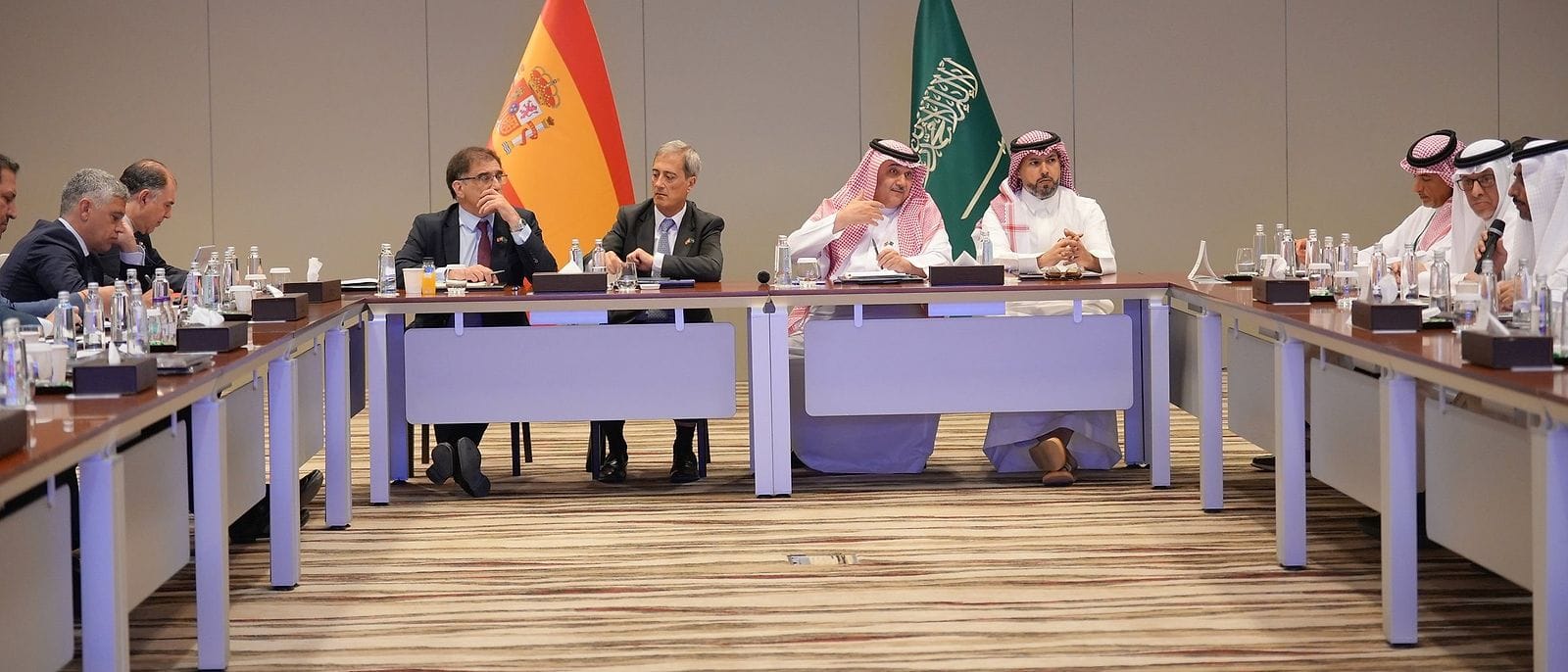
A checklist for an official conference covers twelve areas that the entity's team reviews before the conference, on the day and afterwards: the programme, the hall, registration and guests, technology, the exhibition, protocol, hospitality, honours, media, the control room, the post-event phase and the split of responsibilities. Kunoze uses this list as the baseline before every conference it delivers. Copy it and adapt it to your entity.
How should you use this checklist?
Give every area one named owner, not a committee. A checklist is useless if every line is "in progress" with everyone. Assign the areas at the first meeting, review them weekly, then daily in the final days. The table shows a typical split between the entity and the organising team:
| Area | Suggested owner | When it is reviewed |
|---|---|---|
| Programme and speakers | The entity with the programme manager | From kick-off to rehearsal |
| Hall, technology and exhibition | The organising team | From hall booking to dismantling |
| Registration, guests and protocol | The entity's protocol office with the reception team | From invitations to departures |
| Honours and media | The entity with the organising team | From list approval to photo delivery |
What do we check in the programme?
The programme is the first thing approved and the last thing to settle, because speakers drop out and sessions move. Fix the structure early and keep the names open until rehearsal.
- The conference goal in one sentence approved by leadership.
- A speaker list with a backup for every session.
- A minute-level schedule and one person who owns time on stage.
- The conference language, and whether you need simultaneous interpretation with its booths and headsets.
- Presentation files collected at least a day ahead and tested on the playback machine.
- A final programme version for print, for the screens and for the attendee app if there is one.
What do we check in the hall?
Check the hall twice: on paper when you book, then on a site visit well before set-up. Many surprises, such as a pillar blocking the screen or a narrow loading entrance, only show up on the visit.
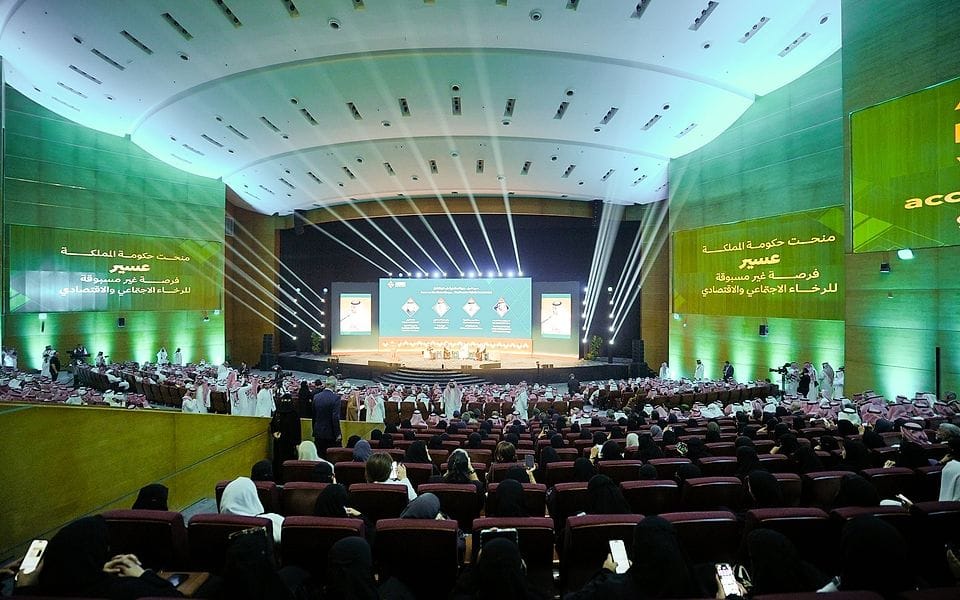
- Seating capacity against expected numbers, with a margin; the hall area calculator gives an estimate.
- The seating plan: senior guests, delegations, media and the general audience.
- The set-up and dismantling windows the hall allows, and the loading entrance.
- Space for registration, the exhibition and hospitality outside the main hall.
- Emergency exits and walkways clear of cables and obstacles.
- A prayer room nearby, enough washrooms and clear wayfinding signs.
What do we check in registration and guests?
First impressions of a conference form at the registration desk. A long queue or a name missing from the list is remembered longer than any session.
- Invitation lists split into senior guests, speakers, delegations, media and the public.
- Approved formal invitation wording; the formal invitation templates help here.
- A tested digital registration system, with name badges pre-printed for senior guests.
- A separate route for senior guests that bypasses the registration queue.
- A reminder the day before with the location, the time and arrival instructions.
What do we check in the technology?
Technology is the first thing an audience notices when it goes wrong. It is not enough for the equipment to work at rehearsal; it has to work with a full hall and the speakers' actual files.
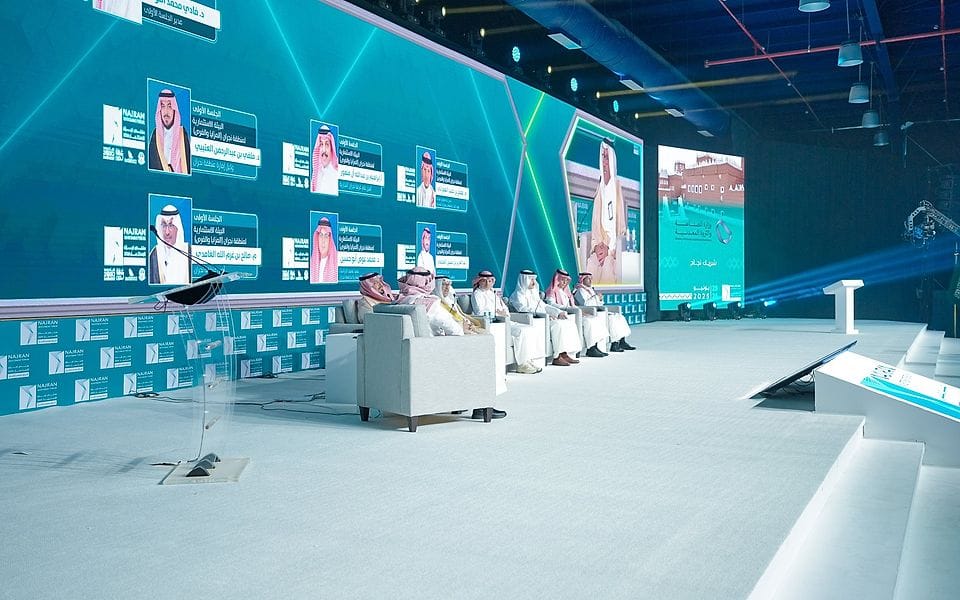
- A main screen sized for the back row; the rule is that the smallest text on screen must be readable from the last seat.
- Sound tested at rehearsal, with backup microphones on the podium and in panels.
- Lighting for the stage, the podium, the signing stage and the honours spot.
- Screen content: logos, speaker names and the opening video, with Arabic fonts rendering correctly.
- Live streaming or session recording if requested, with the connection tested before the opening.
What do we check in the exhibition?
If the conference has an exhibition of entities, it is often the first thing senior guests see on the opening tour, and it deserves the same scrutiny as the main hall.
- The exhibition layout and booth allocation approved by the exhibiting entities.
- The exhibition placed on the opening-tour route, not in a side hall.
- Power, screens and models on every booth checked the night before opening.
- A host on every booth who can give the entity's message in two sentences.
- An exhibitor manual setting out set-up and dismantling times and what is not allowed.
What do we check in protocol?
- A written script for the reception, the tour and the stage, approved by the entity's protocol office.
- The order of speeches and the length of each one.
- Flag and seating order at bilateral forums.
- A separate signing stage with a clean backdrop for photographs.
- An escort for each guest of honour from arrival to departure.
Protocol basics at official events goes through each of these points in detail.
What do we check in hospitality and prayer-time breaks?
Hospitality sets the rhythm of the day. A badly placed break empties the hall before an important session; a well-placed one gives investors and guests time to meet.
- Breaks placed around prayer times, not in the middle of sessions.
- Hospitality for senior guests in a separate, quiet room.
- Coffee and water points placed so they do not block the hall entrances.
- Meals that take account of international guests and any dietary needs.
- During Ramadan: a programme after iftar, timed sensibly if it runs late into the evening.
What do we check in the honours?
The honours segment is short, but it is the moment that gets photographed and published, and any error in a name or the order stays in the picture. Examples of honours segments shows how they were run at our forums.
- The final honourees list days before the conference, because the shields are engraved with their names.
- Shields arranged in calling order, with a matching list.
- Who presents the shields and who carries them, and which side each one stands on.
- Two spare unnamed shields for any last-minute addition.
What do we check in media and documentation?
What is not photographed leaves no trace once the conference is over. Agree the shots you need before the day, not during it.
- A photographer and a videographer working from an agreed shot list.
- A media area with a clear view of the stage and power for equipment.
- The group photo: where, when and the standing order.
- A press release ready to go out with the first photos on the same day.
What do we check in the control room on the day?
- A minute-level technical script: who plays the video, when the screen changes, who brings up the sound.
- One show caller in contact with the stage and the protocol team on headsets.
- Backup copies of every file on two machines.
- One communication channel for the organising team, and a decision made in advance on who handles emergencies.
Kunoze ran this model at the Saudi International Valuation Conference, where the scope covered digital registration, hall and stage set-up, audio, video and lighting, and on-site operations.
What do we check after the conference?
A conference does not end when the lights go off. What gets done in the following days is what leadership and partners see, and it decides whether there is a next edition.
- Dismantling within the window agreed with the hall, and the venue handed back in its original condition.
- Photos delivered to speakers, partners and sponsors within a day or two.
- Thank-you messages to speakers and guests.
- A post-conference report within days: what was achieved against the goal, what needs follow-up and what to improve next time.
Next step: assign the areas to their owners this week, and start with the items that hold up everything else, namely the hall, the guest list and the honourees list. If you would like someone to go through the list with you line by line, the free Kunoze consultation takes 30 minutes.

 Scan to chat on WhatsApp