
What must every formal invitation include?
The inviting entity, the patron if there is one, the full event name, the weekday and date, the time, the venue and city, and how to confirm. Leaving any of these out generates calls and emails you could avoid. Government invitations inside the Kingdom put the Hijri date first; to convert a date reliably use the event date converter.
How does a VIP invitation differ from a general one?
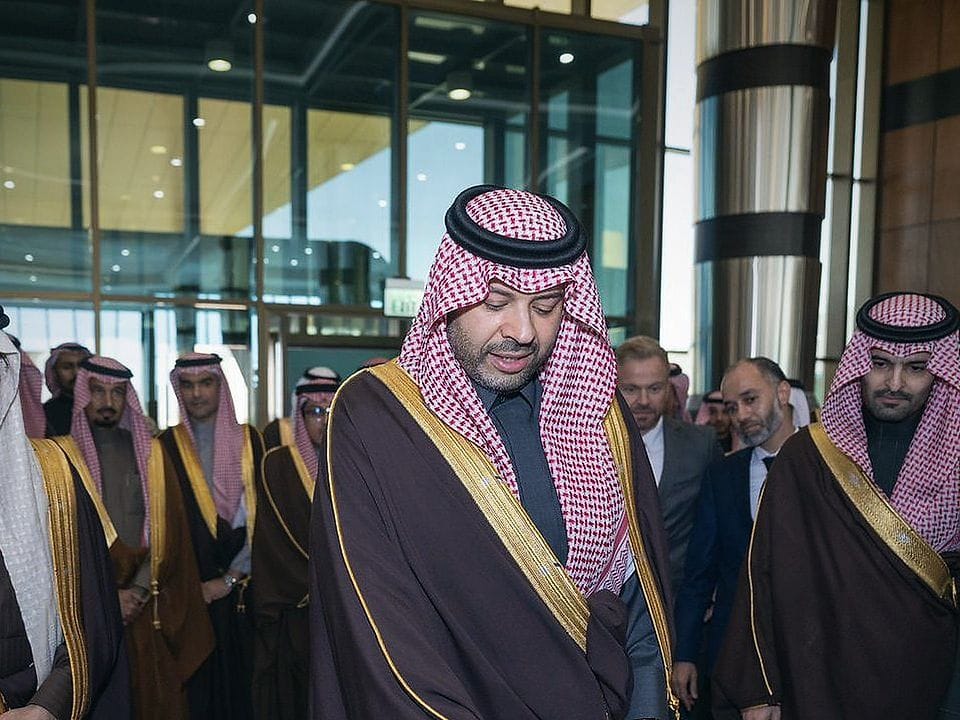
A VIP invitation is personal: it opens with title, name and position, is issued in the name of an official at the inviting entity at a level that suits the invitee, and usually goes through their office well ahead of the event. A general invitation goes out to many guests by email or through the registration page. Once a VIP confirms, the reception scenario takes over their arrival and seating.
When should the invitation be bilingual?
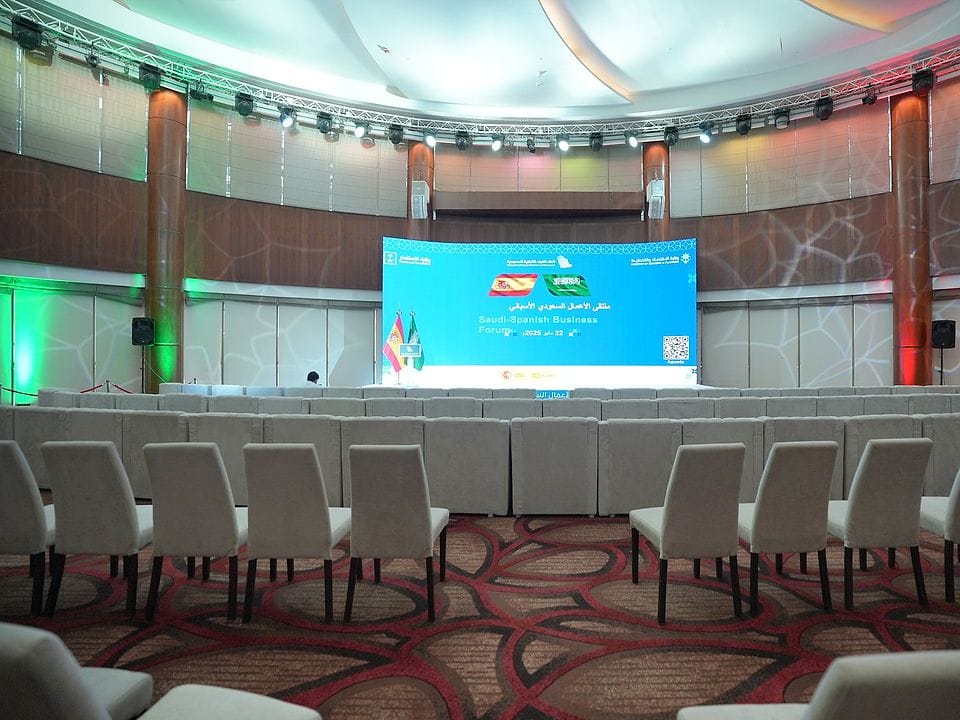
When guests come from outside the Kingdom or international entities take part, as at bilateral business forums. Do not translate the Arabic word for word; write the English in its own customary formal register, keep the facts identical across both, and present them on one card or in two messages as the host entity prefers.
Which mistakes appear most in formal invitations?
- An outdated title or position for the invitee.
- Hijri and Gregorian dates that disagree by a day.
- A time with no city or no hall name.
- No clear way to confirm attendance.
- Exclamation marks or promotional phrases that do not suit formal correspondence.


 Scan to chat on WhatsApp