
Why does every official ceremony need a written reception scenario?
Because reception mistakes are noticed before anything else. A guest waiting at a door nobody expected, an escort taking a crowded corridor, a reserved seat taken by someone else: these stay in memory longer than the quality of the stage. A written scenario tells every crew member their role, and lets the host entity's protocol office review the detail before approving it.
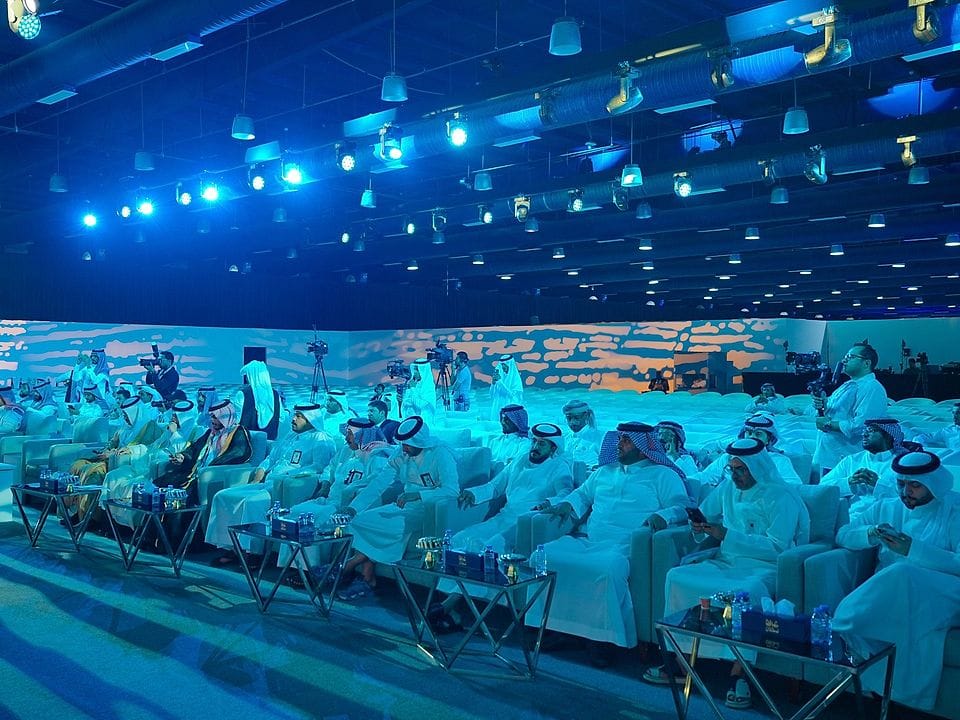
At the forums Kunoze delivers, such as the Hafar Al-Batin Investment Forum 2025, the VIP day starts with the reception and then the official exhibition tour before the sessions, so the scenario spells out those transfers in detail.
What changes when receiving an international delegation?
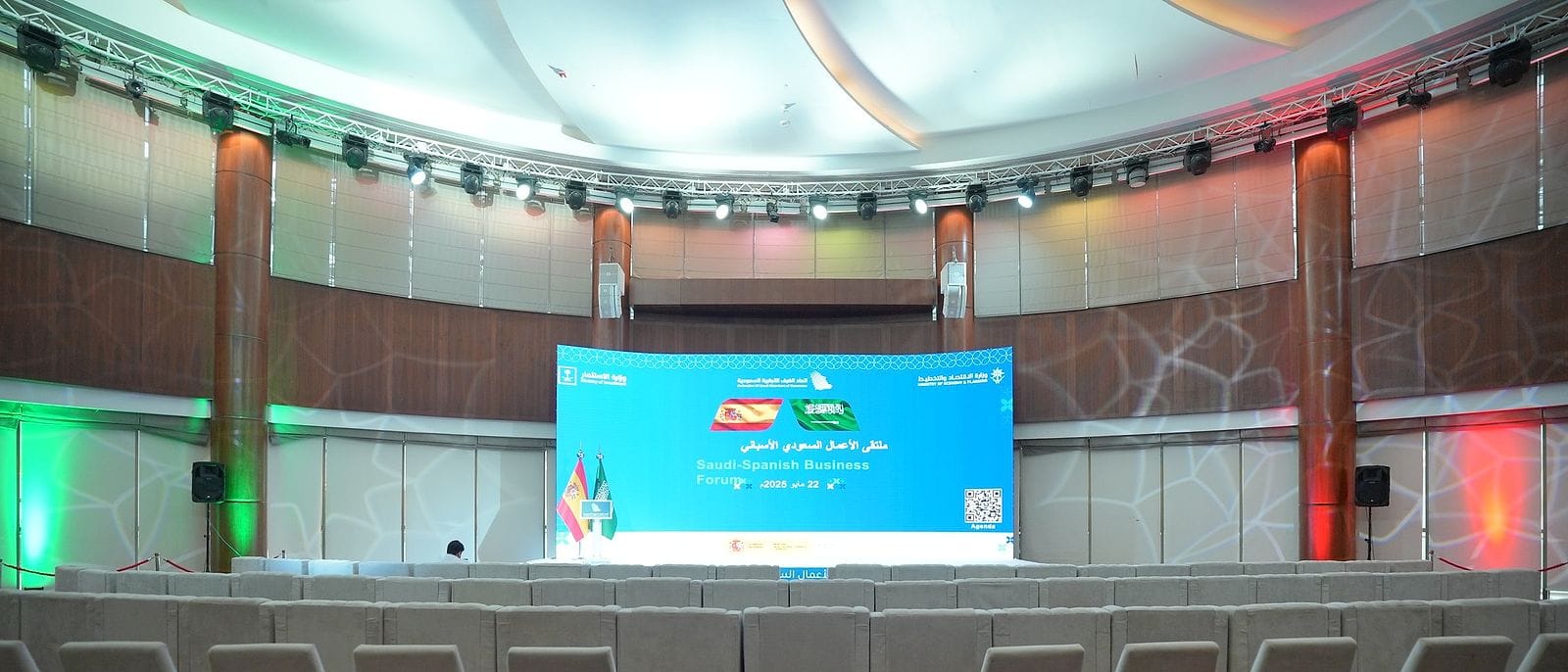
Add an escort who speaks the delegation's language, both countries' flags at the entrance and on stage, a check of precedence between the two sides and a place for the interpreter. Plan the delegation's timing and route from the hotel, and reserve separate parking for its cars. At the ministerial-level Saudi-Japan Investment Forum, reception and signing protocol were part of the same scope. Read the order of precedence entry before seating anyone.
How does a ministerial event differ from a regional one?
A ministerial event needs earlier coordination with the official's office, a route fully separated from general guests and spare waiting time. A regional event under a regional emirate's patronage needs particular care over the exhibition tour and the group photo with partners. The principle is the same in both: the guest never waits, never asks the way and is never surprised by a segment nobody agreed.
Which mistakes should you avoid?
- Relying on a spoken description of the route instead of a written plan.
- Changing seats at the last minute without telling the escorts.
- An official entrance crowded with general guests or photographers.
- No private lounge for VIP guests before the opening.
- Calling the departure car after the ceremony ends instead of before.

 Scan to chat on WhatsApp