
What does precedence mean in plain terms?
Picture ten senior guests in a hall, each with a front-row seat, an arrival time, a possible speech and a spot in the photo. Precedence is the written answer to one question: in what order? Without it, every small decision becomes guesswork that can embarrass the guest or the entity.
Precedence is not a judgement on how important people are. It is an agreed official convention that protects everyone. When the approved list is known to the reception team, every host acts with confidence instead of asking at the critical moment.
How is precedence applied at official events in the Kingdom?
The list starts with the patron of the ceremony, followed by guests according to their official level, and the head of the host entity usually sits next to the patron. The list then shapes several details at once:
- Seating: the centre seat of the front row for the patron, then right and left alternately in order.
- Arrival: the guest with the lowest precedence arrives first; the patron arrives last and leaves first.
- Speeches: the usual order rises towards the speech of the patron or the host entity.
- Honours and photo: who hands over the shields, and who stands at the centre of the group photo.
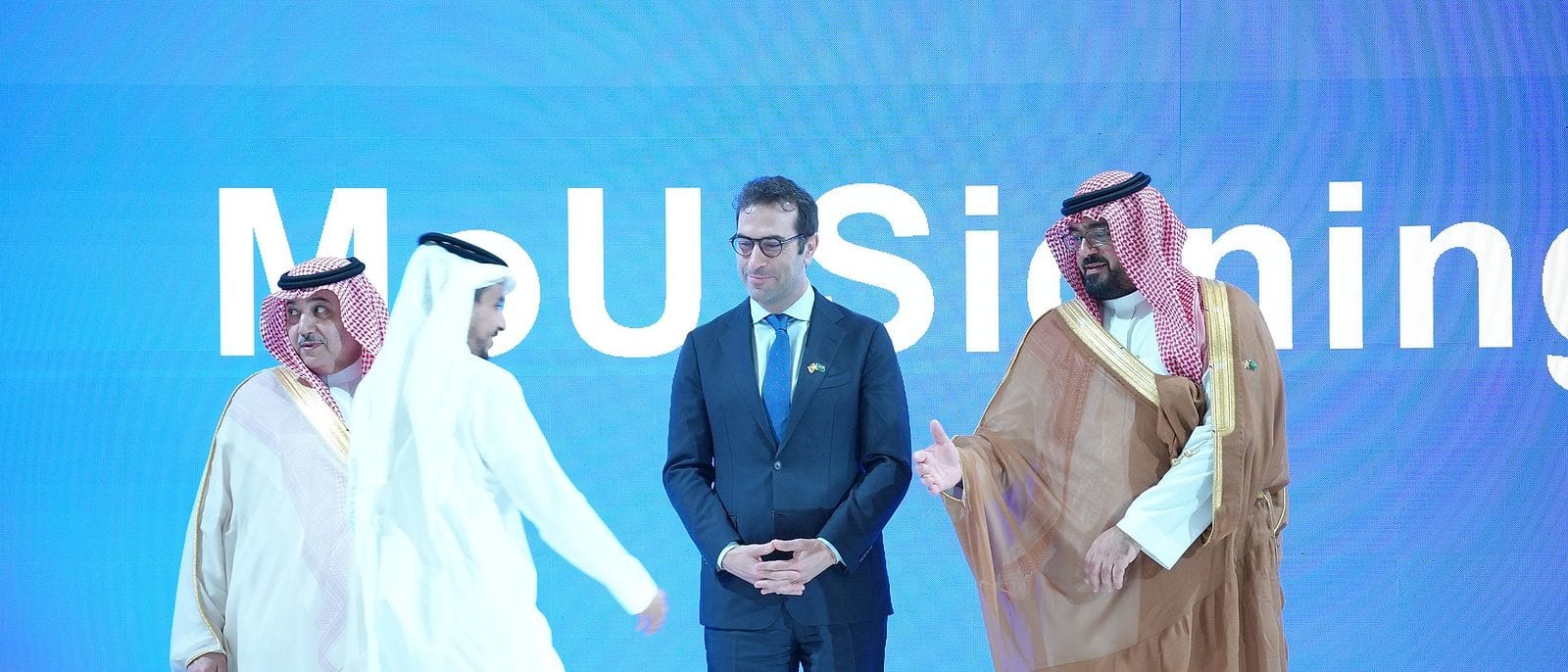
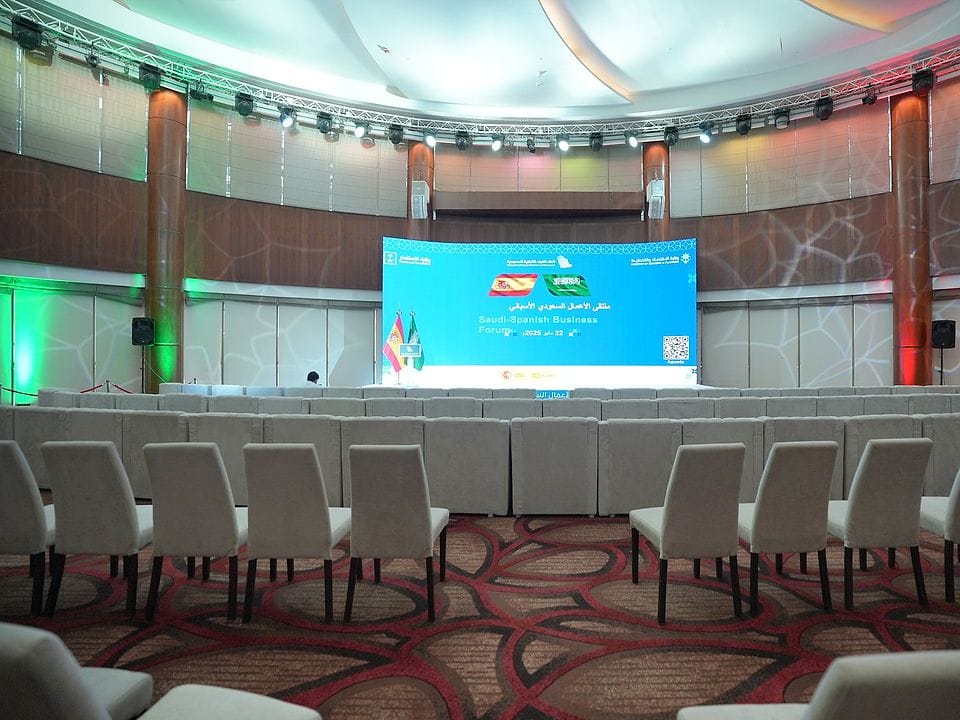
At diplomatic events the precedence of two delegations runs in parallel, so flags, seats and the signing table are arranged as pairs, as at bilateral forums where protocol calls for both flags, a careful seating order and a separate signing stage.
What are the common mistakes with precedence?
- Working from an old list that was not updated after changes in positions or confirmed attendance.
- Printing name cards for the seats before the protocol office approves the final list.
- Changing the seating at the last minute without telling the photographer and the reception team.
- Ignoring precedence in the honours segment, so guests go up in an order that contradicts the seating.
- Forgetting the aides: each senior guest has an escort who needs a nearby seat that does not crowd the guest.
How does Kunoze handle precedence at an event?
We work under the host entity's protocol office and follow its official order. We turn the approved list into operating tools: a printed seating plan, name cards, an arrival schedule, the order for the honours segment and a copy for the photographer. On the Kunoze conference platform, each senior guest's record carries the honorific, seat, escort and notes, and an arrival board shows who has arrived and who is on the way. A good starting point is the VIP reception scenario template.
Which terms are related to precedence?
Precedence is part of protocol in its wider sense, and it shows most clearly at the signing of a memorandum of understanding, where signatories, witnesses and flags are all arranged. It also affects the choice of event format, since a summit needs stricter precedence than an open forum.
What happens to precedence when attendance changes at the last minute?
Last-minute change is a normal part of official events: a guest sends apologies that morning, or a senior guest confirms an hour before the opening. The answer is to treat the list as a flexible system rather than a single sheet of paper. We keep the seating plan in an editable digital copy, print spare name cards for the front rows, and give one host the authority to amend the plan after checking with the protocol office.
When a senior guest is added, finding a seat is not enough: the order of speeches, the honours and the group photo are reviewed too, because precedence touches all three. The photographer and the stage manager are told before the programme starts, so the change never looks improvised in front of the guests.

 Scan to chat on WhatsApp