
What is a working paper in plain terms?
When an entity invites an expert to speak at a conference, it is not asking for a general speech. It is asking for a defined contribution to one of the conference themes. That contribution is written first as a paper, summarised in a slide presentation and delivered in a fixed slot. The written paper outlives the event as a reference, collected in the conference book or published with the recommendations.
This is where a conference differs from a forum: a conference is built on working papers, a forum on open dialogue between participants.
What makes a good working paper?
- A clear title tied to one of the conference themes.
- A short abstract reviewed by the scientific or organising committee before acceptance.
- A focused body setting out the problem, the experience or the data.
- Practical recommendations that feed into the closing statement.
- A presentation in the conference template, with type that can be read from the back of the room.
How does the organiser manage papers before and during the conference?
The paper cycle starts weeks ahead: inviting speakers, collecting abstracts, reviewing and accepting them, then receiving final presentations by a set date a few days before the event. The papers are then placed into sessions in the conference run of show, with a fixed slot per speaker and a session chair.
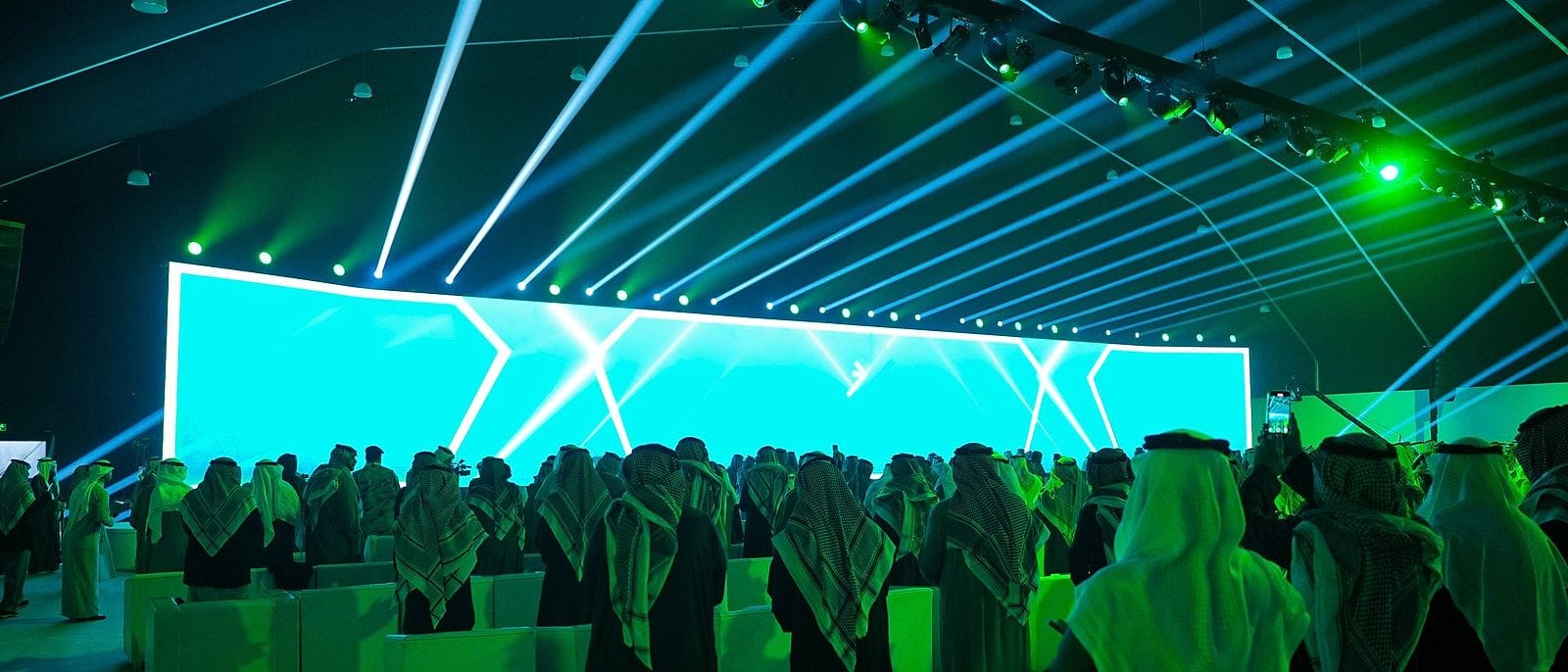
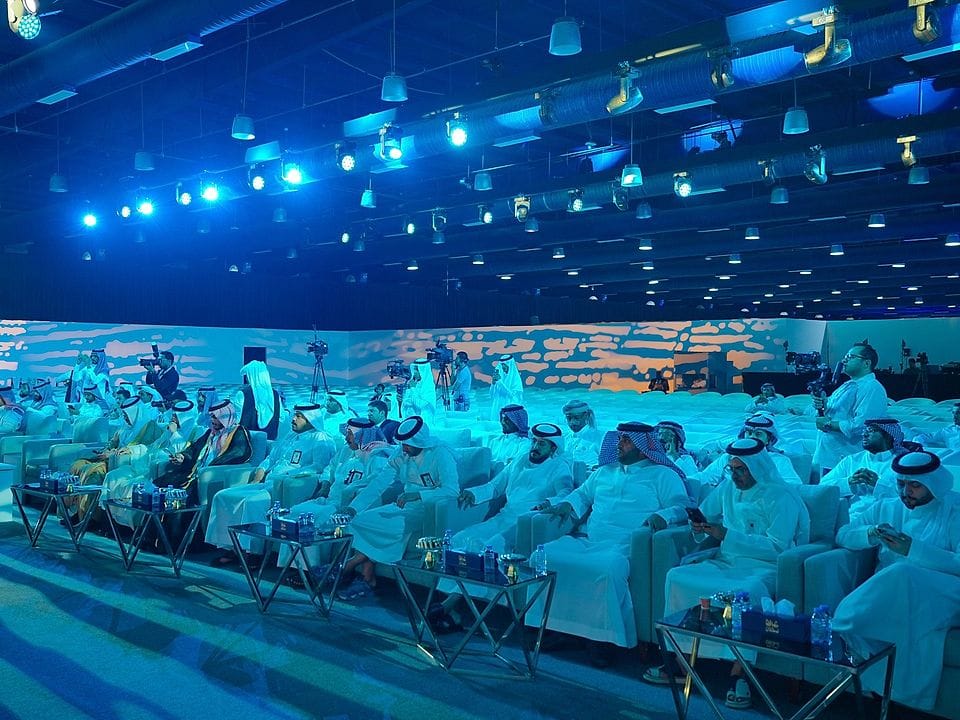
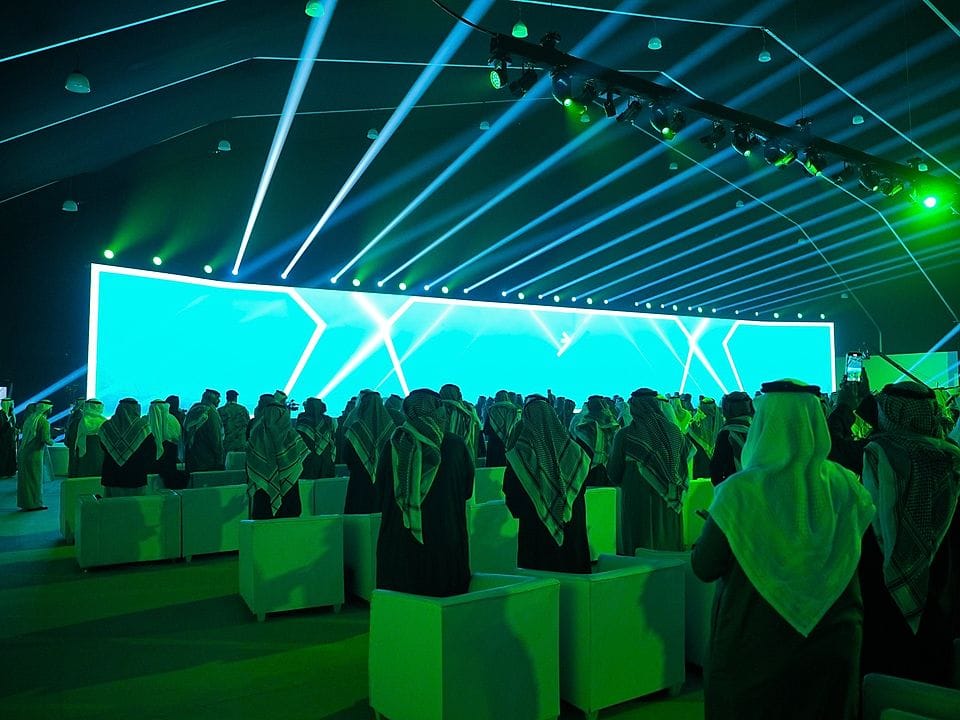
On the day, presentations are loaded on the playback machine in the control room, the speaker's name and title appear on screen as they go up, and the chair keeps time. At the Saudi International Valuation Conference, Kunoze ran a multi-session conference from digital registration to the honours, a format that needs technical operation that keeps to the minute. If international speakers are on the programme, the session also needs simultaneous interpretation.
What are the common mistakes with working papers?
- Receiving presentations on the morning of the conference, with no time to test them on the screen.
- Slides with small type and crowded tables that cannot be read from the middle of the hall.
- A speaker running over, which cuts the time of the next one.
- No recommendations, so the conference ends without a written output to build on.
For the screen size that paper tables need, use the screen size and viewing distance calculator.
How do working papers become recommendations and a closing statement?
The value of papers does not end with the session. At well-run conferences a rapporteur is assigned to each session to note the main points from the papers and the discussion; the rapporteurs' summaries are then combined into draft recommendations for the organising committee before the closing session. The approved recommendations are read at the close and published with the papers in the conference book or on its website.
This path needs planning from the start: one template for papers, a firm submission deadline, room in the schedule for the closing session, and a team to handle publication afterwards. The organiser provides the tools and the time, while the scientific content stays with the entity's committee. The sooner the recommendations reach the audience after the conference, the greater its impact and the easier the invitation to the next edition.

 Scan to chat on WhatsApp