
What is a shell scheme in plain terms?
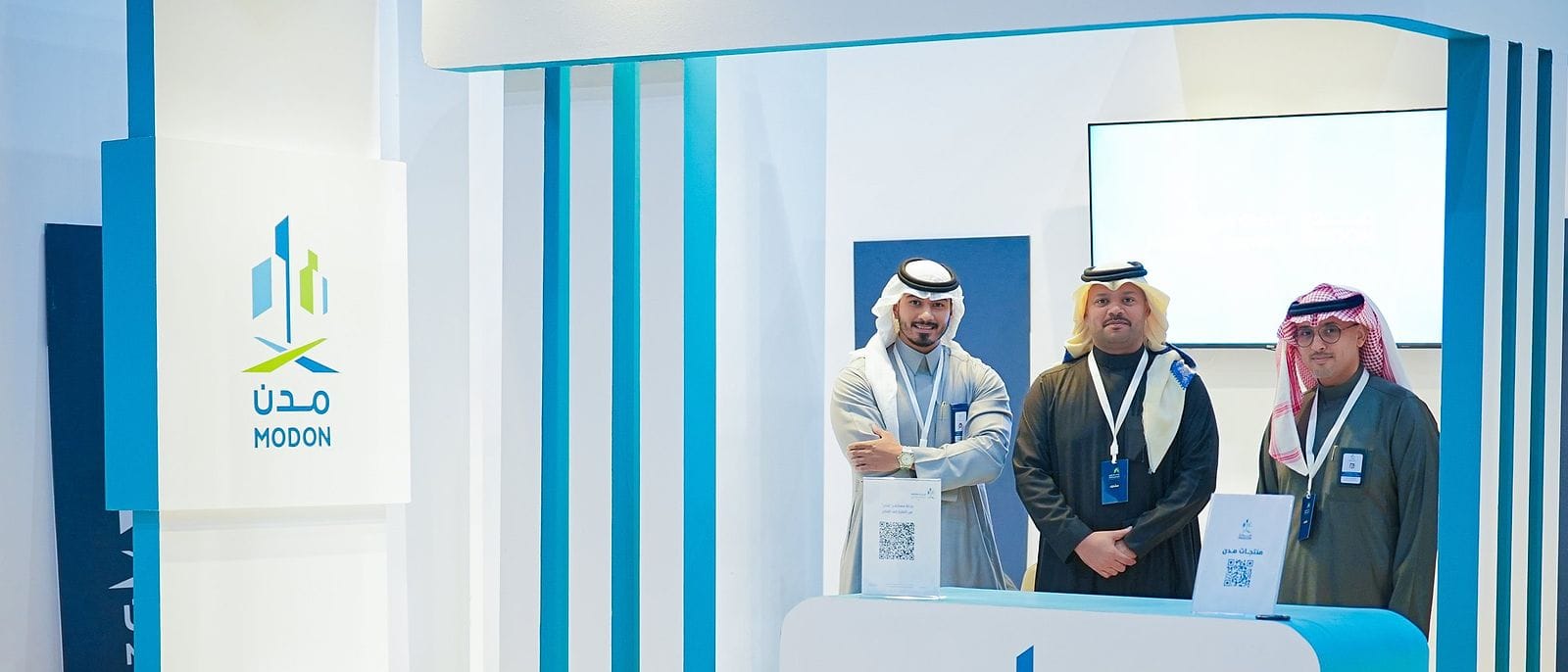
When an organiser sells space to exhibitors, there are usually two options: bare floor space where the exhibitor builds whatever it wants, or a shell scheme with metal frames, white wall panels and a fascia above the entrance carrying the entity's name. The most common unit is 3 × 3 metres, and units are joined to make a longer or deeper booth.
What usually comes with a shell scheme?
- Back and side walls on a metal frame.
- A fascia name board above the front.
- Carpeted floor, basic lighting and a power socket.
- Simple furniture depending on the exhibition package, such as a table and chairs.
Details vary from one exhibition to another, and the reference is the exhibitor manual issued by the organiser; the exhibitor manual template shows the usual sections.
How do you turn a shell scheme into a booth that represents your entity?
A shell scheme does not have to look plain. In Kunoze Production's workshops we print full wall panels in the entity's identity that fix onto the frame, and add a reception counter, a screen and a project model, so the standard unit becomes a space that looks like the entity. When the displays are larger, such as the architectural project models shown at the Aseer Investment Forum 2025, a custom-built booth becomes the better choice.
At seasonal festivals such as those in Qassim, booths of any type need heat- and dust-resistant materials. The full trade-off is in the shell scheme versus custom booth comparison.
What are the common mistakes with shell schemes?
- Ignoring the exhibition's rules on fixing graphics to the walls, so materials are refused at build-up.
- Designing graphics to approximate sizes before receiving the exact panel dimensions.
- Filling the booth with furniture until there is no room for visitors.
- Forgetting storage for handouts and bags inside the booth.
To see how many visitors your booth can hold, use the booth capacity calculator.
When is a shell scheme enough, and when is it not?
A shell scheme is enough in clear cases: a first appearance at an exhibition to test the audience, an entity that wants a respectable presence without major fabrication, or a short lead time that leaves no room to design and build a booth. In these cases good graphics, a reception counter and a screen make a big difference.
It is not enough when the displays are the message: a large architectural model, a meeting area for senior visitors, or an interactive experience that needs its own lighting. Nor is it enough when the entity is the exhibition's main sponsor, because its booth is read as a statement about its standing. For exhibitions that recur every year, a custom booth designed to be dismantled and rebuilt can be the smarter long-term choice, since the same structure serves several exhibitions with new print each time.


 Scan to chat on WhatsApp